
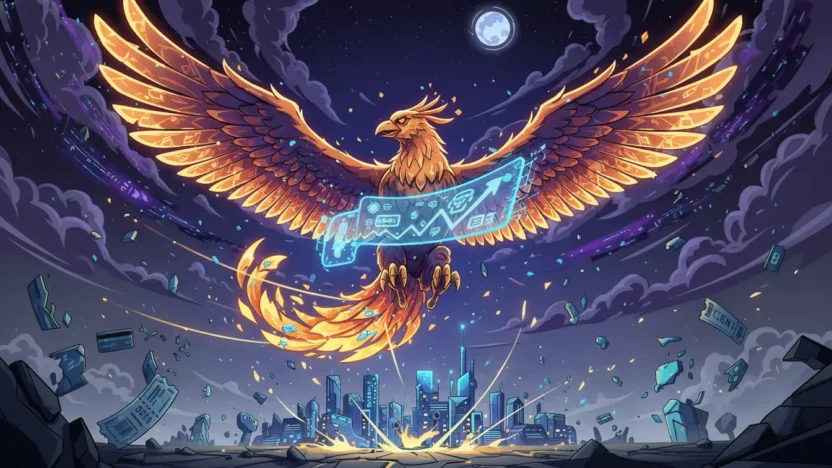
NFT ticketing platforms are staging a quiet but structurally significant comeback — and most of the market hasn’t noticed yet. After enduring one of the harshest downturns in Web3’s short history, these platforms are rebuilding credibility from the ground up. The recovery isn’t loud. But it’s real.
The broader NFT market collapse left ticketing platforms particularly exposed. They weren’t just selling digital collectibles — they were promising to rewire an entire industry. When sentiment soured, skepticism followed fast. Yet some platforms refused to fold.
What’s emerging now is more disciplined, more utility-focused, and arguably more interesting than the first wave. The question isn’t whether NFT ticketing is recovering. It’s whether this recovery has legs that the hype cycle never gave it.
Why the collapse hit NFT ticketing platforms harder than most
NFT ticketing wasn’t just caught in the broader crypto winter — it faced its own structural crisis. 🎟️ The model was always more complex than simple token speculation. These platforms had to convince venues, artists, and fans simultaneously.
That three-sided adoption problem proved brutal when liquidity dried up. Investors pulled back. Partnerships stalled. Development timelines stretched beyond what early communities could tolerate.
The damage wasn’t just financial. Trust eroded. Traditional ticketing giants like Ticketmaster quietly watched from the sidelines as Web3 alternatives stumbled. That competitive pressure never disappeared — it just waited.
The trust deficit that still lingers
Beyond market prices, NFT ticketing platforms carried reputational weight into this recovery. Failed promises around scalper prevention and fan-owned access left scars. Rebuilding that trust requires more than a market rebound.
Platforms now understand that technology alone doesn’t win adoption. User experience, reliability, and real-world partnerships matter far more than on-chain innovation in isolation. The surviving platforms seem to have internalized this lesson.
NFT ticketing platforms are recovering — but the architecture has changed
The platforms regaining market position today look fundamentally different from their 2021 counterparts. The emphasis has shifted dramatically toward practical utility over speculative value. That reframing is significant.
Rather than leading with NFT branding, smarter operators are leading with problem-solving. Fraud reduction, transparent resale markets, and verifiable ownership are the headlines now. The NFT infrastructure runs quietly underneath.
This strategic pivot mirrors how broader Web3 adoption is maturing. The most successful crypto applications tend to hide their complexity behind seamless interfaces. NFT ticketing is finally learning that lesson.
What the surviving platforms got right
The platforms still standing share common traits. They maintained operational discipline during the downturn. They kept development moving even without the spotlight. They focused on genuine venue and artist relationships rather than token launches.
Persistence in a bear market is its own form of competitive advantage. Every platform that shut down reduced the competitive field. Those that endured now face a less crowded landscape and a more receptive audience.
Key structural advantages now in play
- Reduced competition from failed or abandoned projects
- Improved blockchain infrastructure lowering transaction costs
- Greater institutional familiarity with NFT-based verification
- Fan communities increasingly comfortable with digital ownership models
The scalper problem hasn’t gone away — and that’s actually good news
Ticket scalping remains a multi-billion dollar problem globally. That persistent pain point is precisely what keeps the NFT ticketing value proposition alive. Traditional markets still haven’t solved it.
Smart contract-enforced resale caps and royalty mechanisms give blockchain-based ticketing a genuine structural edge. This isn’t theoretical anymore. A handful of platforms have demonstrated it in live event conditions.
The pain of the problem drives adoption when the solution actually works. NFT ticketing platforms now have the case studies they lacked during the first wave. That changes the sales conversation with venues entirely.
Market recovery rarely announces itself cleanly. In NFT ticketing, the signal is appearing in partnership announcements, not price charts. Platforms are quietly securing deals that weren’t available during the speculative peak. 📈
The events industry itself is evolving. Post-pandemic demand for live experiences remains elevated. That macro tailwind gives NFT ticketing platforms a more favorable environment than they’ve ever actually operated in at scale.
Meanwhile, broader crypto market stabilization is reducing the reputational drag that plagued Web3 business models throughout 2022 and 2023. Enterprise decision-makers who once dismissed blockchain-based solutions are revisiting those conversations.
Why institutional interest changes everything
Early NFT ticketing adoption was driven by crypto-native communities. The next phase depends on mainstream institutional buy-in. That’s a harder sell — but a far more durable foundation if achieved.
Venues and promoters represent recurring, large-scale volume. A single major venue partnership generates more sustained transaction activity than any speculative retail wave. Platforms chasing this tier are building for longevity.
The distinction matters enormously. Retail-driven recoveries can reverse overnight. Enterprise adoption creates switching costs and long-term contractual relationships that stabilize platform revenue regardless of broader crypto sentiment.
What signals to watch as the recovery deepens
The most telling indicators won’t appear in token prices. Watch for named partnership announcements with recognizable venues or entertainment brands. That’s where real traction surfaces first.
Secondary market volume on NFT tickets is another key metric. Healthy resale activity demonstrates genuine fan engagement rather than speculative accumulation. A platform with active secondary markets has built something real.
Development activity matters too. Platforms consistently shipping product updates signal teams that survived the winter with momentum intact — not just capital. That operational health is harder to fake than marketing.
NFT ticketing’s recovery is slower and quieter than its rise — and that might be exactly what the sector needed. The platforms rebuilding market position today are doing so on more honest foundations. The next inflection point won’t come from hype. It will come from a headline partnership or a viral moment of seamless fan experience that makes the technology invisible and the value undeniable. Watch the events calendar as closely as the token charts.